 Arena Plus
Keno | Keno Demo at Arena Plus
Keno is a cards-category number selection game: choose a comfortable set of numbers, review the draw, and keep each round within a personal limit. This Keno page gives a direct answer for visitors who want to understand the pace before opening a Keno Demo.
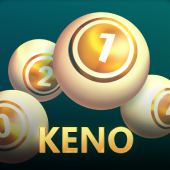
What Keno Offers on Arena Plus
The short answer is that Keno is built around selection, anticipation, and a clear result screen rather than a long sequence of decisions. An arena plus Keno session can be approached as a quick card-lobby activity: read the available range, select numbers deliberately, check the stake, and watch the draw without treating any result as certain. A Keno Demo is useful for learning the controls and timing before a player decides whether the format suits their own entertainment routine.
For a new visitor, the most useful Keno habit is to understand the board first. The arena plus demo view should be scanned for number buttons, selected-state indicators, draw controls, and the current round summary. The Keno title and the cards label identify the same game record throughout this page, while the Keno image above is the real local game artwork used by the lobby.
Related Keno Card Picks on Arena Plus
These four cards-category choices are related promotional entries, not additional Keno detail pages. Select an image only when you want to explore another option.
How to Play Keno: A Simple Arena Plus Route
To play Keno comfortably, begin with observation, then make one controlled selection and confirm the round details before sending it. The Keno Demo gives a low-pressure way to locate the number board, selection counter, stake display, and result area. This order matters because a clean arena plus Keno routine is easier to follow when the player knows what will happen before pressing a control.
- 1. Open the board. Use the Keno icon or the Keno Demo action above and wait for the cards interface to finish loading. Check that the number range and round status are readable on the phone screen.
- 2. Choose a small set. Tap numbers one at a time and pause to confirm the highlighted state. A Keno player does not need to fill every space; a smaller selection can make the round easier to understand.
- 3. Review the stake. Before confirming, read the amount, round speed, and any available limits. Treat the arena plus demo as a control rehearsal, and never assume that a previous result predicts the next result.
- 4. Confirm once. Send the selection only after the board matches your intention. Keep the Keno screen visible so the result and any status message are not missed.
- 5. Stop on your plan. Record a time or spending boundary before another round. A Keno Demo can teach the flow, but no demo or live-style result can promise a win.
The practical goal is not to rush. Keno works best as a short, readable experience in which the player understands the number selection and accepts chance as part of the format. If the screen feels crowded, rotate neither the page nor the budget; simply reduce the number of actions and return to the board summary.
Keno Strategy for Calm, Repeatable Decisions
The most useful Keno strategy is a process for controlling attention and spending, not a promise of prediction. In an arena plus Keno round, write down a small session limit, select numbers with a consistent rule, and evaluate the experience after a planned number of rounds. The Keno Demo is a good place to practise this sequence because it lets a visitor learn the board without confusing unfamiliar controls with a winning system.
Choose numbers by one simple method and avoid changing it after every result.
Short sessions keep the arena plus Keno interface from becoming an automatic habit.
Keep a fixed entertainment amount separate from essential spending.
Judge the Keno experience by clarity and enjoyment, never by one result.
Number patterns can look persuasive after a few draws, but a pattern on the Keno board is not evidence that a number is due. Avoid doubling a stake to recover a loss and avoid treating a near match as a signal. The arena plus demo can help you practise reading selected and unselected states; it cannot change the underlying uncertainty of a draw. If you prefer slower decisions, select fewer numbers, read each confirmation, and leave the session when the plan ends.
A useful comparison note is that Keno strategy has less to do with complex card ranking than 5 Card Poker. The related card picks can be opened through the image tiles above, while the Keno Demo remains focused on learning selection and result timing. This distinction helps visitors choose a format by decision style rather than by a claim of better odds.
Keno Screenshots Gallery: Read the Real Keno Artwork
This Keno Screenshots Gallery uses local artwork from the game records to show how a visitor can observe a compact cards lobby. The images are not claims of a particular result or payout. Instead, they provide a visual checklist: identify the main tile, distinguish card-style neighbours, and look for an uncluttered interface before using an arena plus demo.
On a phone, check that the Keno tile remains sharp, that labels do not collide with controls, and that the number area is visible without horizontal movement. The real Keno image is the same static artwork used in the core area, so the gallery does not invent a second game identity. For a closer look at a different theme, the Treasures Of Aztec game guide offers a separate visual direction while keeping ordinary navigation distinct from promotion.
Keno Theme and Mobile Experience in Arena Plus
Keno has a focused, anticipation-led mood. The board gives each choice a visible place, then the draw creates a short pause before the outcome is shown. That rhythm makes Keno different from a continuously spinning slot: the player can see a decision, wait, and review. In an arena plus Keno session, generous contrast and a stable number grid matter more than decorative complexity.
The Keno Demo should feel useful on a Philippine phone connection. Large tap targets, a readable selected state, and a concise result summary reduce mistakes when a visitor is using one hand. A good arena plus demo experience also makes it easy to leave the screen, return later, and understand whether the last round is complete. These are usability observations, not guarantees about availability or performance on every device.
- Visual hierarchy: the Keno title, selected numbers, stake, and result should be distinguishable at a glance.
- Rhythm: one confirmation should lead clearly to one draw, without encouraging rushed repeated taps.
- Comfort: text and controls should remain usable between 320px and 430px wide.
- Trust: an arena plus club visitor should be able to read safety reminders before choosing to participate.
For players comparing themes, Keno is a practical choice when they enjoy a quiet board and short cycles. It is less suitable for someone who wants a story-heavy visual journey. The Arena Plus Features overview can help visitors compare the wider site experience, while this Keno page stays focused on the cards record and its selection flow.
Keno Comparison Dimensions for Choosing a Session
The direct comparison answer is simple: choose Keno when you value visible number selection, a defined draw, and a compact cards presentation; choose another card title when you want a different decision rhythm. No comparison can turn chance into certainty, so the dimensions below focus on practical fit rather than an unsupported ranking.
| Dimension | Keno | What to ask |
|---|---|---|
| Decision load | Number selection | Can I confirm my choices? |
| Pace | Short draw cycle | Do I have a stop time? |
| Learning | Keno Demo rehearsal | Are the rules visible? |
| Session fit | Quiet cards screen | Does it fit my budget? |
Use the arena plus demo to compare navigation and comfort, not to simulate a guaranteed outcome. If you like the anticipation of a number board, Keno may feel more transparent than a screen with many moving elements. If you prefer a hand-based choice, 5 Card Poker or Cards Hi Lo may be a better visual match. The related tiles remain promotional links, while this comparison explains the choice in plain language.
Keno Selection Criteria for Arena Plus Mobile Players
Choose Keno only after checking four practical conditions: you understand the board, the session limit is comfortable, the connection is stable enough to read confirmations, and the activity is legal and suitable for you. These criteria make an arena plus Keno visit more deliberate. A Keno Demo is the right first stop when the goal is to evaluate controls rather than make a fast commitment.
Rules, numbers, selected states, and results can be read without guesswork.
The screen responds steadily enough for one deliberate confirmation.
Use a trusted access point and keep login details private.
Stop when the planned time, money, or enjoyment boundary is reached.
Visitors curious about the arena plus club should first look for clearly stated terms, age guidance, and responsible gaming reminders rather than assuming that a membership label means a particular reward. Do not install an unknown file because it promises a faster Keno Demo, and do not share a password in a chat or pop-up. A reliable selection decision includes the option not to play.
Before leaving this page, ask yourself: can I explain how Keno selections are made, can I afford the chosen entertainment limit, and can I stop without chasing a result? If the answer to any question is no, use the information here as a guide and wait. If the answer is yes, keep the next step small and review the live screen carefully.
For another beginner-friendly explanation of the wider lobby, read the Aztec Priestess game information page as a separate internal resource. It is a normal site link, not a promotional redirect; the Keno actions on this page continue to use the site's real promotion function.
Keep Every Keno Session Measured
Use a Keno Demo to learn the interface, set a personal limit, and remember that card-category draws involve chance. arena plus club information never replaces your own safety decision.